

For decades, the pharmacy counter has functioned as a rigid socioeconomic wall. On one side sits the convenience of over-the-counter (OTC) remedies for minor ailments; on the other, a vast catalog of „serious“ medicine locked behind the mandatory—and often expensive—gatekeeper of a physician’s prescription pad. But as primary care costs soar and patients grow weary of the weeks-long wait for a simple appointment, that wall is not just cracking—it is being systematically dismantled.
We are entering an era of unprecedented medical autonomy. While the global consumer healthcare market is projected to surpass USD 708.44 billion by 2034, the real narrative for the C-suite and the consumer alike isn’t just about revenue growth. It is about a fundamental shift in the „point of care.“ From digital questionnaires replacing doctor visits to geopolitical trade wars dictating the price of an allergy pill, here is how the next decade of self-care will be redefined.
1. The „Digital Guardrail“: Why Your Next OTC Drug Might Require a Quiz
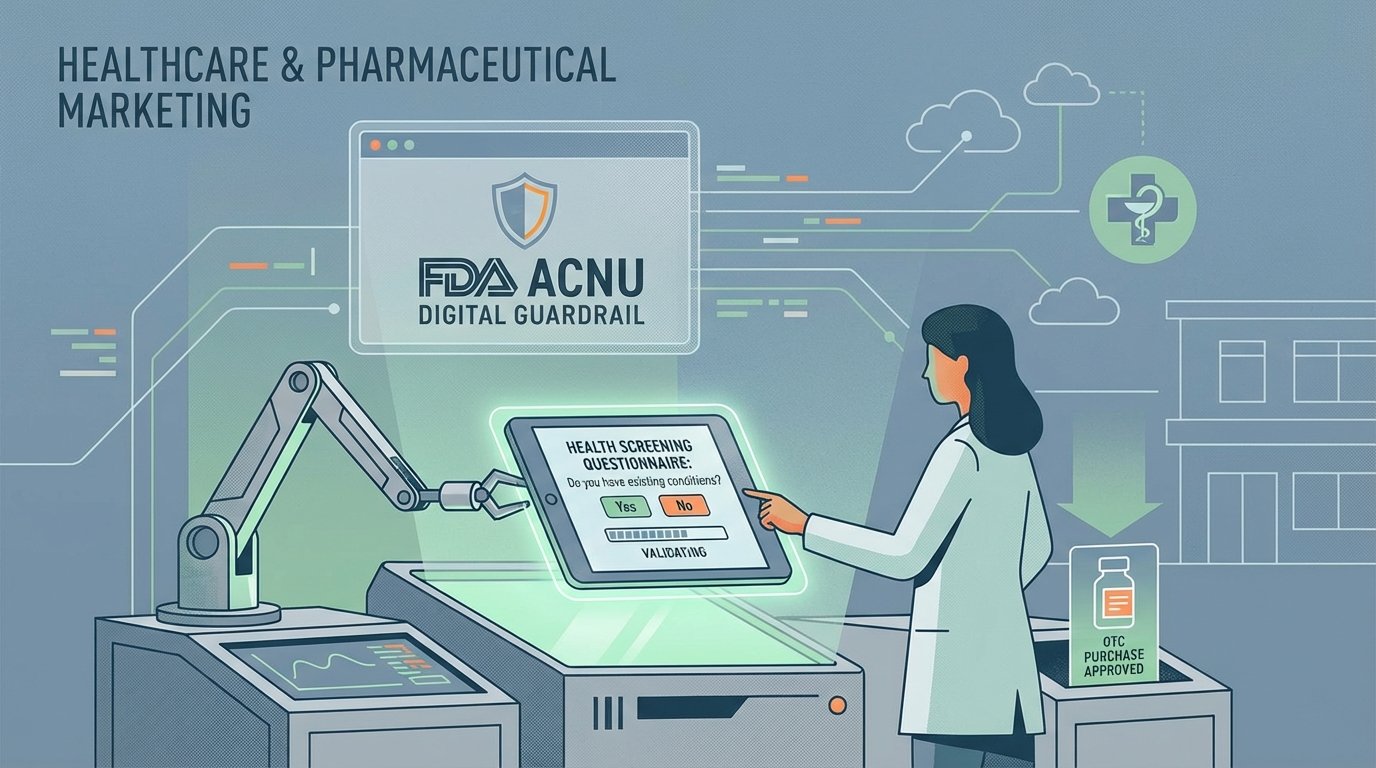
The most significant regulatory pivot in recent memory is the FDA’s Additional Conditions for Nonprescription Use (ACNU) Final Rule. This framework creates a high-stakes middle ground: OTC-with-ACNU.
Historically, drugs for complex conditions—such as certain erectile dysfunction treatments or hormonal contraceptives—remained prescription-only because their risks couldn’t be mitigated by a simple label. Under the ACNU rule, these medications can now move to the retail shelf, provided the manufacturer implements a „digital guardrail.“ This usually involves a digital questionnaire or an interactive kiosk task that screens the user for risk factors before a purchase can be authorized.
For legacy pharma players, this creates a significant strategic moat. By proprietary digital screening tools, brands can create a barrier to entry that generic competitors—often focused on low-cost, high-volume manufacturing—may struggle to replicate or fund. However, the FDA is ensuring this autonomy doesn’t come at the cost of safety.
„The Final Rule also specifies the format for the ACNU Statement, requiring that it be… in boldface and black type [and] in a yellow background banner alone… to provide immediate notice to consumers and for other people who may have access to the drug product (e.g., a person who finds the drug in the purchaser’s medicine cabinet) but did not fulfill the ACNU.“ — Skadden, Arps, Slate, Meagher & Flom LLP
2. Geopolitics in the Pharmacy: How Trade Wars Hit Your Wallet
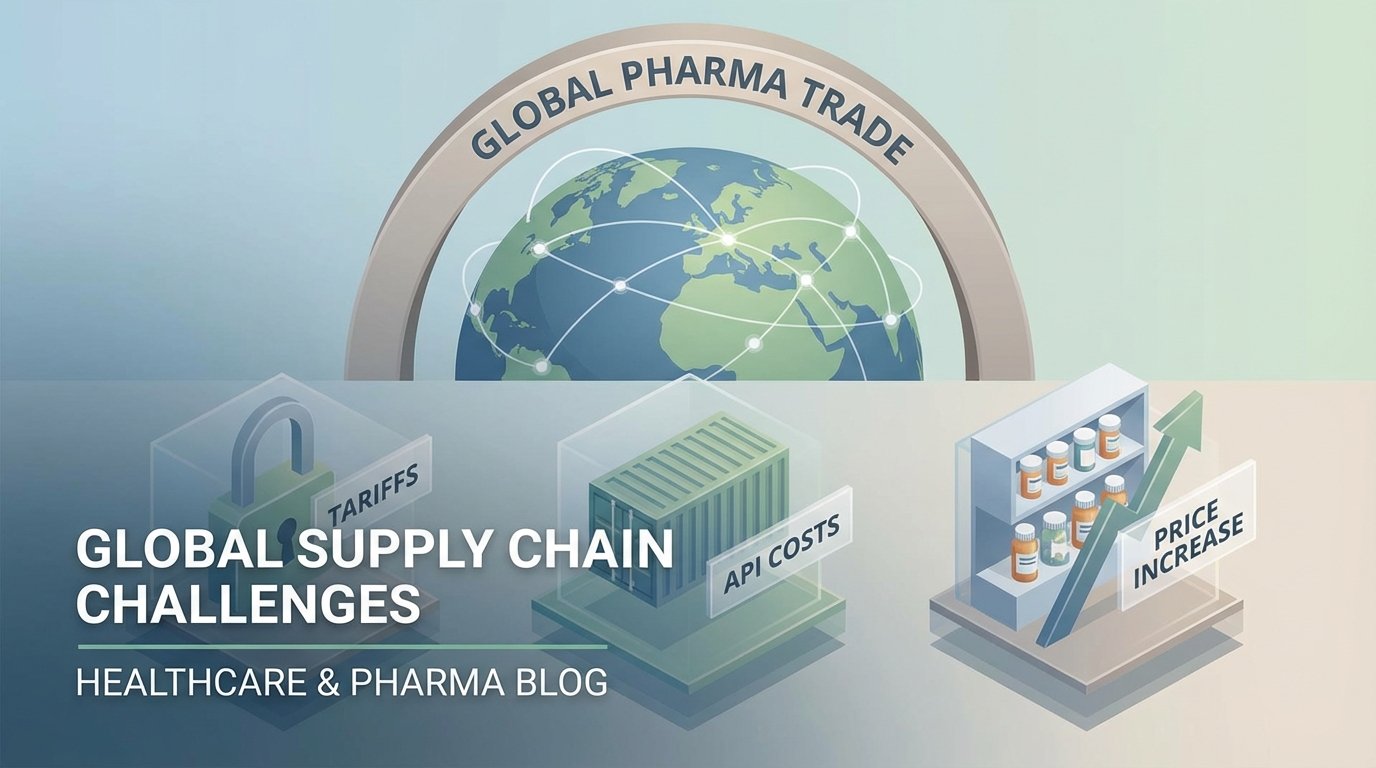
While we treat health as a personal matter, the price of your medicine cabinet is increasingly a matter of international diplomacy. Market analysts recently applied a 0.8% reduction to the OTC growth forecast, a direct result of the „global trade tension loop“ created by reciprocal international tariffs.
The impact is most acute following the sudden escalation of U.S. tariffs in spring 2025. These trade barriers target Active Pharmaceutical Ingredients (APIs) and essential supplies like glass vials imported from manufacturing hubs like India and Brazil. For the consumer, this translates to higher prices for basic remedies. For the industry, it represents a massive competitive disruption: generic manufacturers, who operate on razor-thin margins, are already scaling back production of low-margin medications, potentially leaving gaps on the pharmacy shelf and increasing the burden on overstretched primary care services.
„The imposition of tariffs may pose a significant challenge for U.S. retailers by increasing costs of over the counter drugs imported from India and Brazil, potentially reducing consumer affordability and raising primary care service burdens.“ — Research and Markets
3. The Rise of „Intelligent“ Medication: AI and Immersive Education
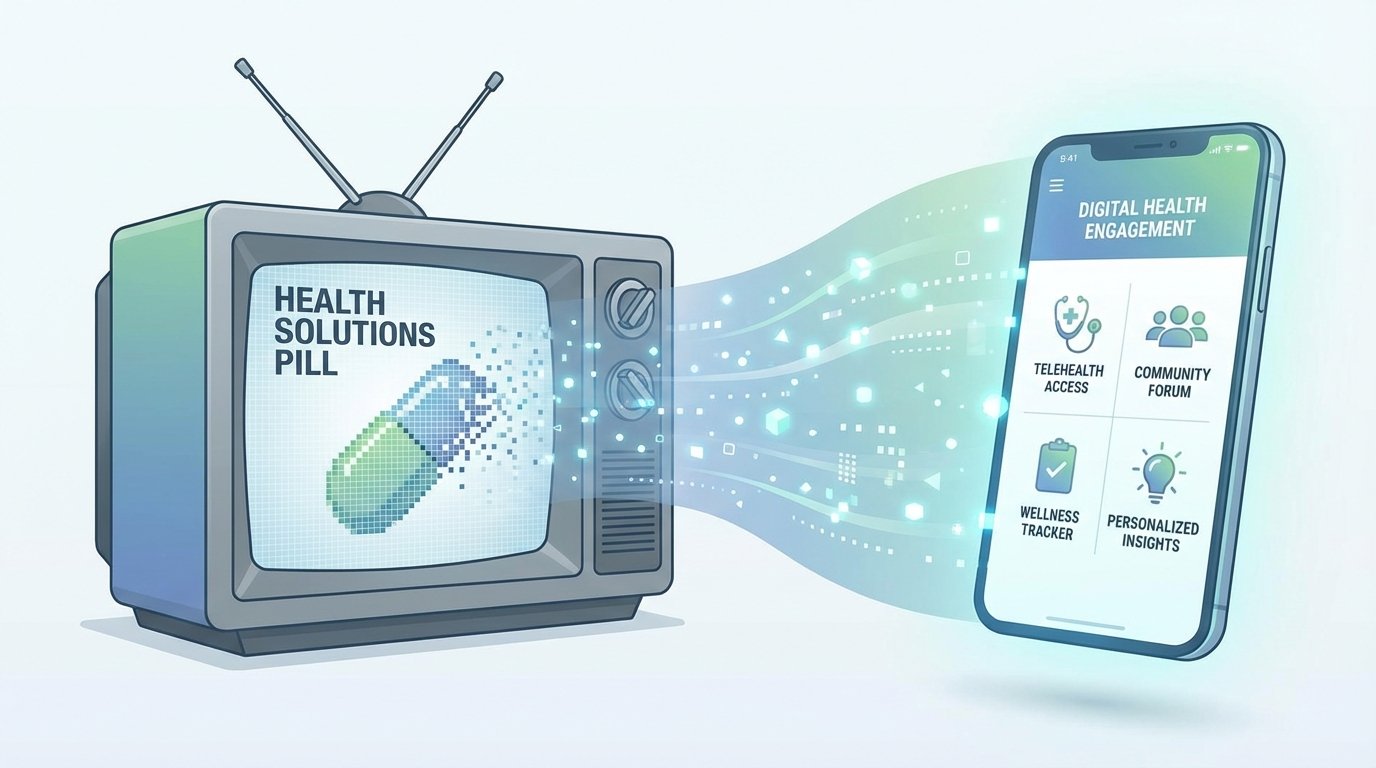
We are moving past the era of the static paper insert. Pharmaceutical marketing is evolving toward AI-Powered Personalization at Scale, where the „pill“ is merely one part of a larger digital ecosystem.
Take, for example, the recent launch of Haleon’s fast-acting OTC gel for ED, which enables results within 10 minutes. This is „instant“ self-care grounded in real-market disruption. To support such products, companies are using Extended Reality (XR) to turn a medicine box into a classroom. Through AR-enhanced 3D models, a patient can visualize a drug’s Mechanism of Action (MOA) on their smartphone, seeing exactly how the molecule interacts with their body.
The data suggests this isn’t just a gimmick; it’s a superior engagement model.
„A leading pharmaceutical company implemented an AI-powered content platform that dynamically adjusts educational resources… The system resulted in a 47% increase in content engagement.“ — Sai Ashirwad Informatia
4. The „Meaningful Difference“ Loophole: Why Brands and Generics Co-exist
While technology is changing the patient experience, a regulatory quirk is changing pharmacy economics. Historically, the FDA prohibited a drug from being sold as both a prescription and an OTC product simultaneously. The ACNU rule disrupts this via the „Meaningful Difference“ loophole.
Because a digital ACNU screening is considered a unique „condition of use,“ the FDA may allow a brand-name drug to be sold as an OTC-with-ACNU product while its generic equivalent remains locked behind the prescription counter. This creates a bizarre, two-tiered choice for the consumer:
- The Brand: Available on the retail shelf after a 2-minute digital quiz, but likely not covered by insurance.
- The Generic: Requires a doctor’s appointment and a prescription, but is likely covered by a low insurance co-pay.
This serves as a potent lifecycle management tactic, allowing brand manufacturers to leverage three-year clinical investigation exclusivity to protect their market share even when the chemical compound itself is technically off-patent.
Conclusion: A Ponderable Future
The transition from „sick care“—waiting for a professional to diagnose—to proactive self-care is well underway. We are being handed the tools to manage complex health conditions with the tap of a screen, bypass traditional gatekeepers, and visualize the inner workings of our biology in 3D.
But this efficiency comes with a trade-off. As the „digital guardrail“ replaces the doctor’s prescription pad, we must ask: Are we ready for the responsibility of being our own primary care providers?