

1. Introduction: The Death of the Passive Patient
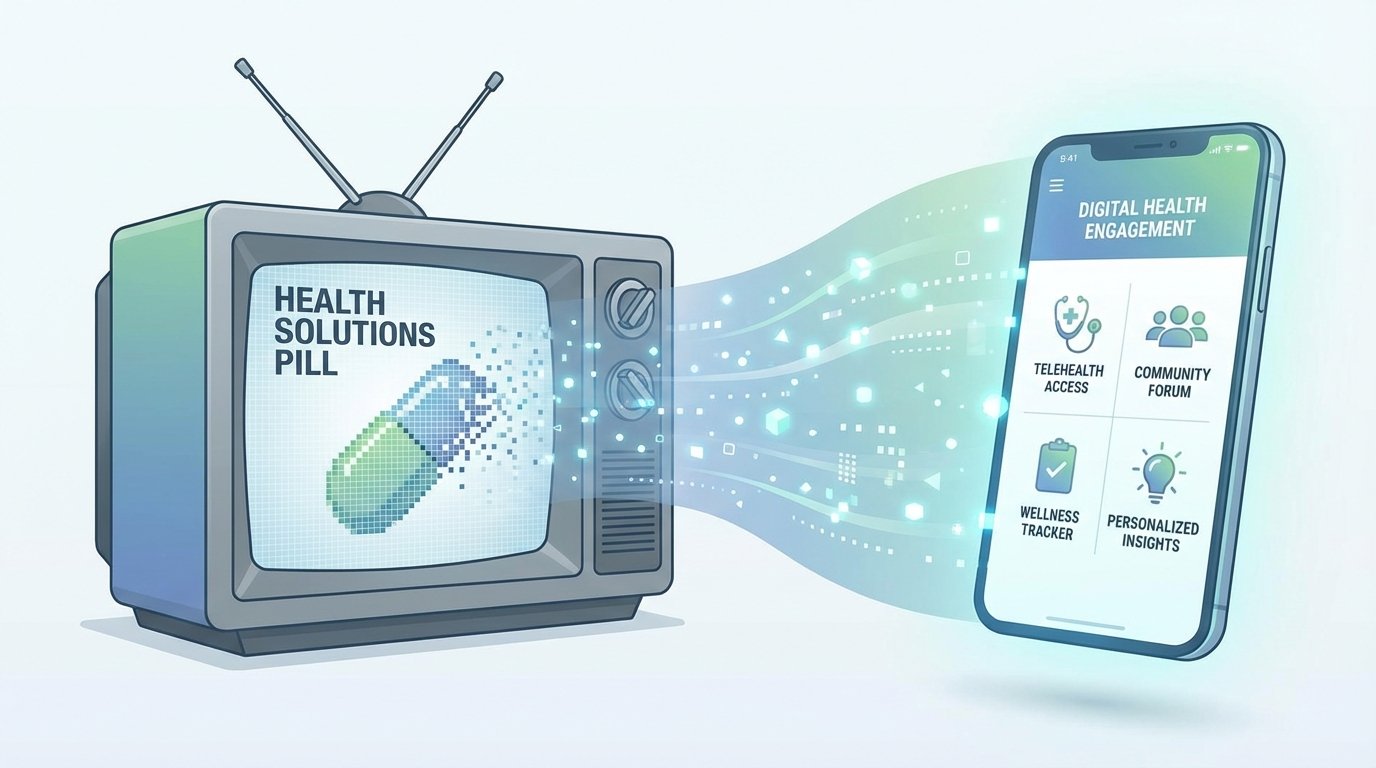
For decades, the pharmaceutical industry’s consumer engagement was defined by the flicker of a television in a quiet waiting room—a one-way broadcast to a „passive patient“ waiting for a physician’s permission to heal. In 2026, that flicker has been replaced by the persistent glow of the smartphone and a structural re-segmentation of trust. We are witnessing the end of episodic care and the rise of an „always-on“ self-care mindset where medicine is no longer a destination, but a seamless integration into the consumer’s daily workflow.
This is more than a cultural pivot; it is a financial migration. As annual healthcare spending in the U.S. exceeds $5 trillion, nearly $1 trillion of that spend is shifting away from traditional clinical models toward new, consumer-centric ecosystems that prioritize the clarity and convenience of retail giants. For brands, the „medicine maker“ label is no longer enough to sustain enterprise value in a market that demands the empathy of consumer industries.
2. The Neighborhood Pharmacist is Your New Brand Ambassador
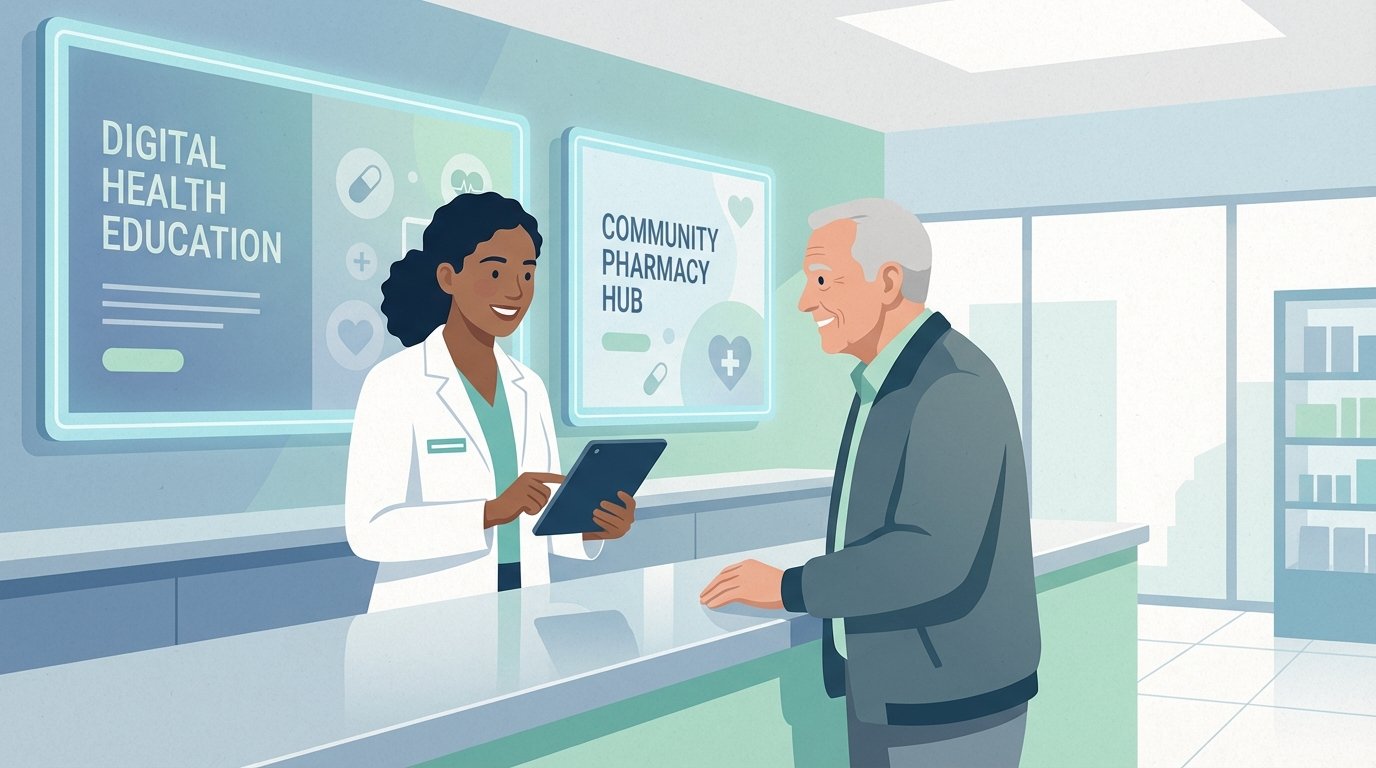
In an era of deep institutional skepticism, the industry is witnessing a surprising return to human-centric marketing, but the locus has shifted. The community pharmacy has emerged as the most vital node in the healthcare network—a „front door“ that is more accessible and more frequently utilized than the primary care physician’s (PCP) office.
Strategic leaders are redirecting their field budgets toward pharmacy-led engagement because the data on „proximity and frequency“ is undeniable:
– Ubiquity: 90% of Americans now live within five miles of a community pharmacy.
– Engagement Density: The average patient visits their pharmacist 13 times per year, nearly doubling the 7 annual visits made to a primary care physician.
– Trust Conversion: When manufacturer education is delivered via a trusted pharmacy channel, the „opening rate“ for that content increases by 28%.
This shift represents a re-engineering of the patient-brand relationship. In a world where consumers skip traditional ads, the pharmacist’s recommendation remains one of the few high-conversion touchpoints remaining.
„Nearly 300 studies confirm pharmacist-led medication management improves outcomes, creating a powerful opportunity for brand education that supports both providers and patients.“
3. From „Medicine Makers“ to „Lifespan Partners“
The sector is currently grappling with „Pharma’s Value Challenge.“ Despite a historic wave of drug approvals over the last five years, the industry has often underperformed in capital markets as investors signal that scientific innovation alone is no longer a sufficient moat. Returns are being compressed by intense head-to-head competition and a $32 billion cost-reduction mandate across large pharma by 2030.
To restore investor confidence, brands are transitioning toward „Breakthroughs at Scale“—a model where companies evolve from selling molecules to providing lifelong branded health experiences. This means moving beyond transactional „treatment moments“ to become „lifespan partners.“ By deploying digital companions and virtual coaching, brands are accompanying consumers across the full spectrum of their health journey—anticipating needs before a diagnosis and sustaining wellness long after the initial prescription.
4. The „Scientific Natural“: Herbals Get a Clinical Upgrade
The „Naturals“ market is no longer an alternative niche; it has reached a critical mass, now accounting for 42% of the overall OTC market. This $50 billion global surge is being powered by the „Silver Society“—the cohort of consumers over 65 who are projected to reach 50 million in the U.S. by 2028. This demographic is rejecting aging stereotypes and utilizing their high disposable income to maintain quality of life through nature-based solutions.
The Shift Toward Natural Alternatives
Innovative brands are successfully disrupting mature categories by pairing „clean“ labels with clinical rigor:
– Native: Revolutionized personal care by highlighting a simple, recognizable ingredient list.
– Wonderbelly: Disrupted the digestive health category with clean-positioned formulas that address the rising prevalence of GERD and chronic bloating.
The strategic takeaway for 2026 is that nature alone is insufficient. Scientific validation is the new gatekeeper; consumers want „nature, backed by science.“ Brands that invest in robust evidence development for their natural formulations gain a unique point of differentiation in a crowded retail landscape.
5. Retail Health as the New „Front Door“
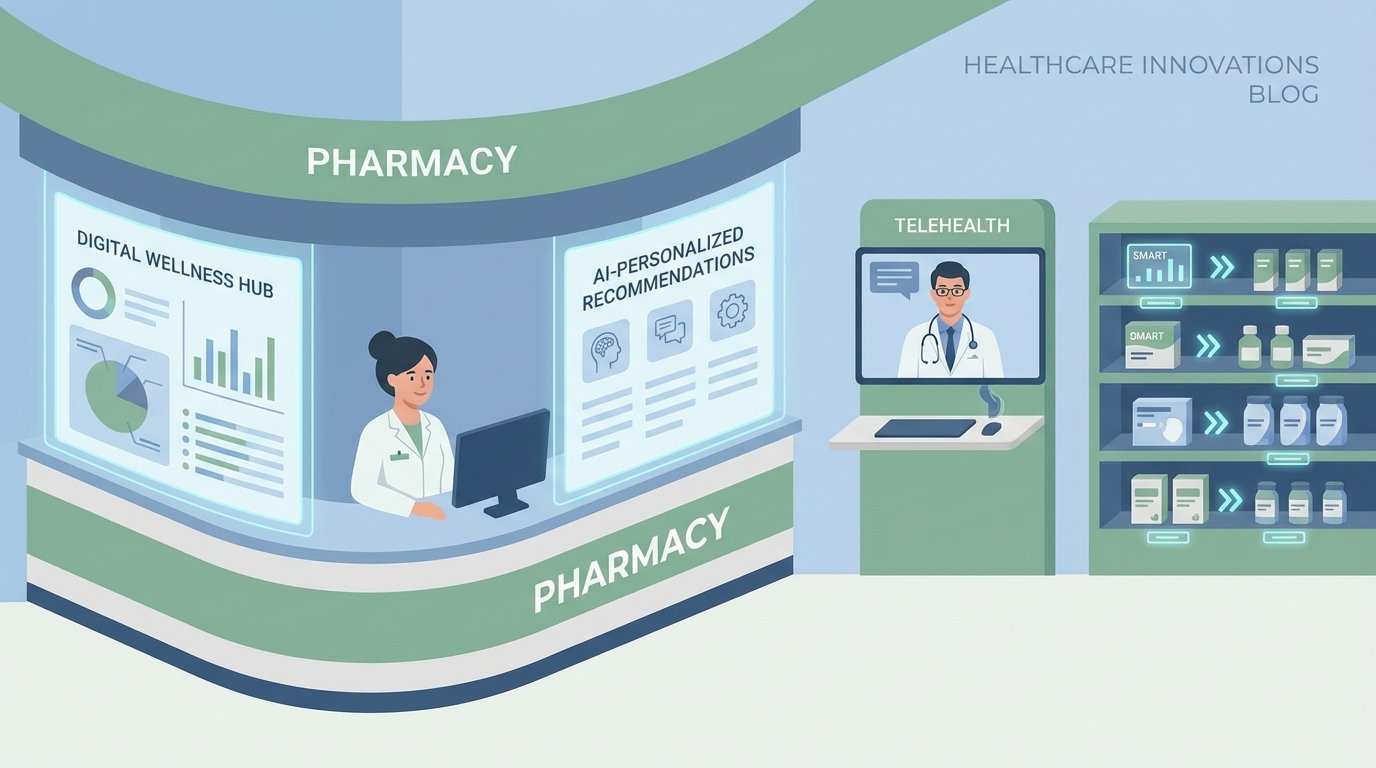
Convenience is the new battleground for market share. The entry point to healthcare has shifted from the clinic to the digital touchpoint and the retail counter. We have seen this culminate in the „Amazon Pharmacy + WeightWatchers“ partnership, which effectively blended logistics, primary care, and GLP-1 delivery into a single consumer workflow.
As retail players push deeper into chronic-condition pathways and at-home care, traditional health systems face a new reality: their competitors are no longer just other hospitals, but the platforms consumers already use for their daily lives.
„Your competitors aren’t just other health systems anymore; they’re the platforms people already love using.“
6. AI as Infrastructure: Beyond the Hype to Hyper-Personalization
By 2026, AI has moved from experimental pilots to essential infrastructure. It is now a core budget line item, often prioritized over traditional SG&A (Sales, General, and Administrative) expenses. In this „post-DTC“ world, AI functions as a „co-creator“ of empathy and insight, enabling brands to reach patients with surgical precision.
This infrastructure supports three critical pillars of modern pharma marketing:
- Predictive Engagement: Reaching the right patient at the exact moment of clinical receptivity.
- Immersive Education: Utilizing 3D animations to explain complex „Mechanisms of Action“ (MoA), reducing patient uncertainty and improving treatment adherence.
- Algorithmic Transparency: In a highly regulated 2026 environment, AI must be auditable. Successful brands ensure data provenance and traceability to meet evolving FDA and EMA expectations for accuracy and safety.
7. Conclusion: The Forward-Looking Mandate
The rules of healthcare engagement have been fundamentally rewritten. To survive in 2026, leaders must adopt an „always-be-launching“ mindset, where data loops and consumer feedback drive a continuous refinement of the brand experience. We are moving away from the era of abstract tech evangelism toward a model grounded in lived clinical reality.
The strategic question for your organization is no longer about the efficacy of your molecule, but the depth of your relationship. In this new landscape, will your brand be a mere maker of medicine, or a trusted partner in a consumer’s total wellness journey?