

The Hook: Why the Old Playbook Just Expired
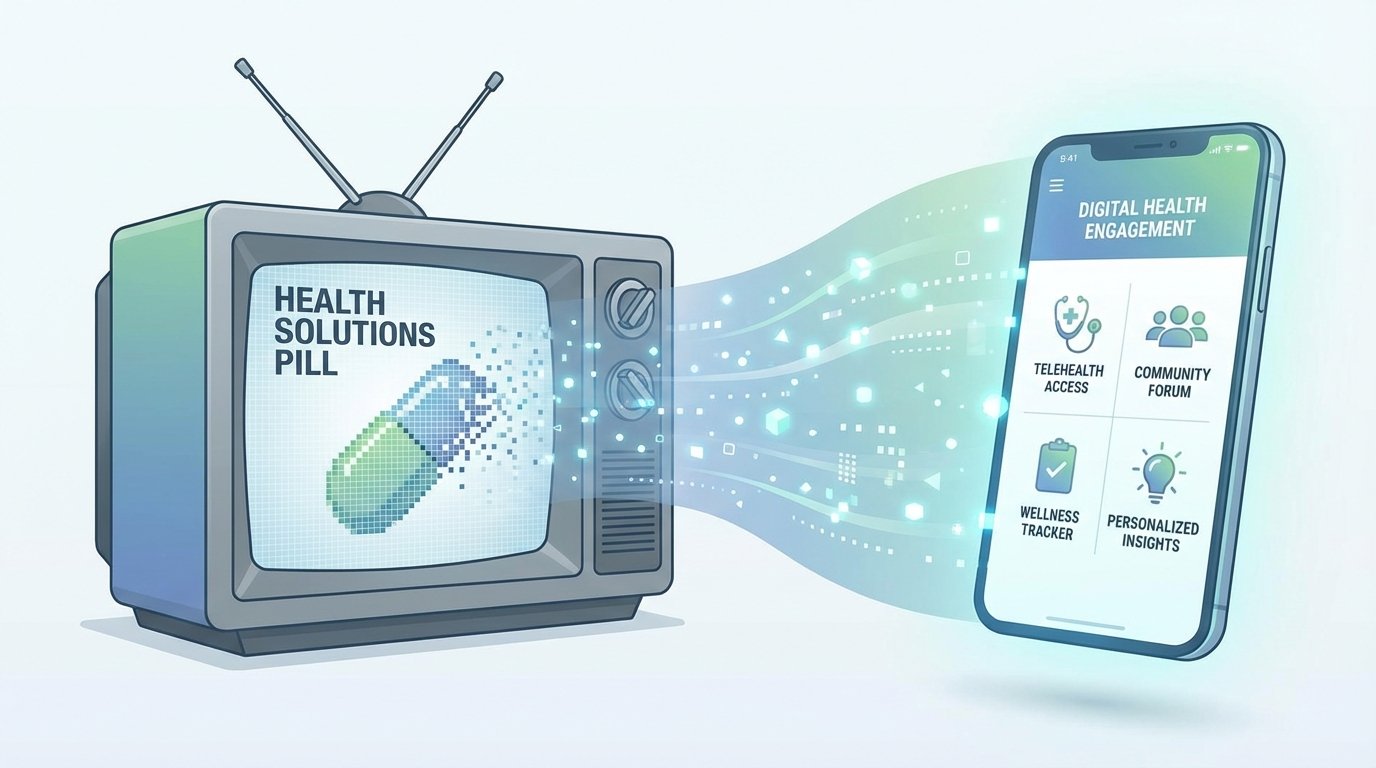
The traditional „blockbuster“ model—the predictable engine fueled by mass-market small molecules, extended patent exclusivity, and vast field sales forces—is not merely aging; it is systemically failing. For decades, the industry operated on a manufacturer-centric, „one-size-fits-all“ approach. Today, that model is collapsing under the convergence of a $300 billion patent cliff and a regulatory regime redefined by the „Make America Healthy Again“ (MAHA) movement.
With the 2025 confirmation of Robert Kennedy Jr. as Secretary of HHS, the industry is facing a „system disruptor“ committed to radical transparency. Market leadership is no longer a factor of sales force size, but of data intelligence and the ability to demonstrate precise value. Those who treat these structural shifts as temporary headwinds will find themselves obsolete by 2030.
1. The Death of the „Adequate Provision“ Loophole
On September 9, 2025, the FDA and HHS joint announcement marked the end of the 1999 „adequate provision“ rule. For over 25 years, this loophole allowed manufacturers to broadcast risky drug claims while hiding side effects behind a toll-free number or a website URL. Regulators are now aggressively moving to return the industry to a more rigorous standard of transparency.
Notably, the FDA is justifying this crackdown using a „proactive surveillance“ posture, citing a 2012 study of YouTube videos from 2009 to claim that 88% of advertisements fail „fair balance“ guidelines. While the industry points to the dated nature of this literature, the regulatory intent is clear: a total rollback to the pre-1999 era.
„HHS described the change as a ‚major reform of pharmaceutical advertisements‘ that would mark a ‚return to the pre-loophole status quo‘ [established in 1997 under then-Commissioner Michael J. Friedman].“
2. Surviving the $300 Billion „Patent Cliff“
The scale of the current patent cliff is unprecedented. Through 2030, approximately $300 billion in annual global revenue is at risk. However, the true threat isn’t just the loss of revenue—it’s the velocity of erosion. In today’s market, a brand-name drug can lose 80% to 90% of its market share within a single year of generic entry. This speed renders a high-cost, inflexible sales force a massive liability rather than an asset.
| Strategic Pivot | Traditional Blockbuster (The Past) | Nichebuster Approach (The Future) |
|---|---|---|
| Target Audience | Mass market/widespread conditions | Precisely defined specialty populations |
| Sales Strategy | Armies of in-person reps | Data-driven „Optichannel“ engagement |
| Evidence Base | Phase III Clinical Trial Data | Real-World Evidence (RWE) & PGHD |
| Success Metric | Sales volume (TRx) | Patient outcomes & demonstrable value |
3. The „Patient CEO“: Displacing the Physician as Primary Decision Maker
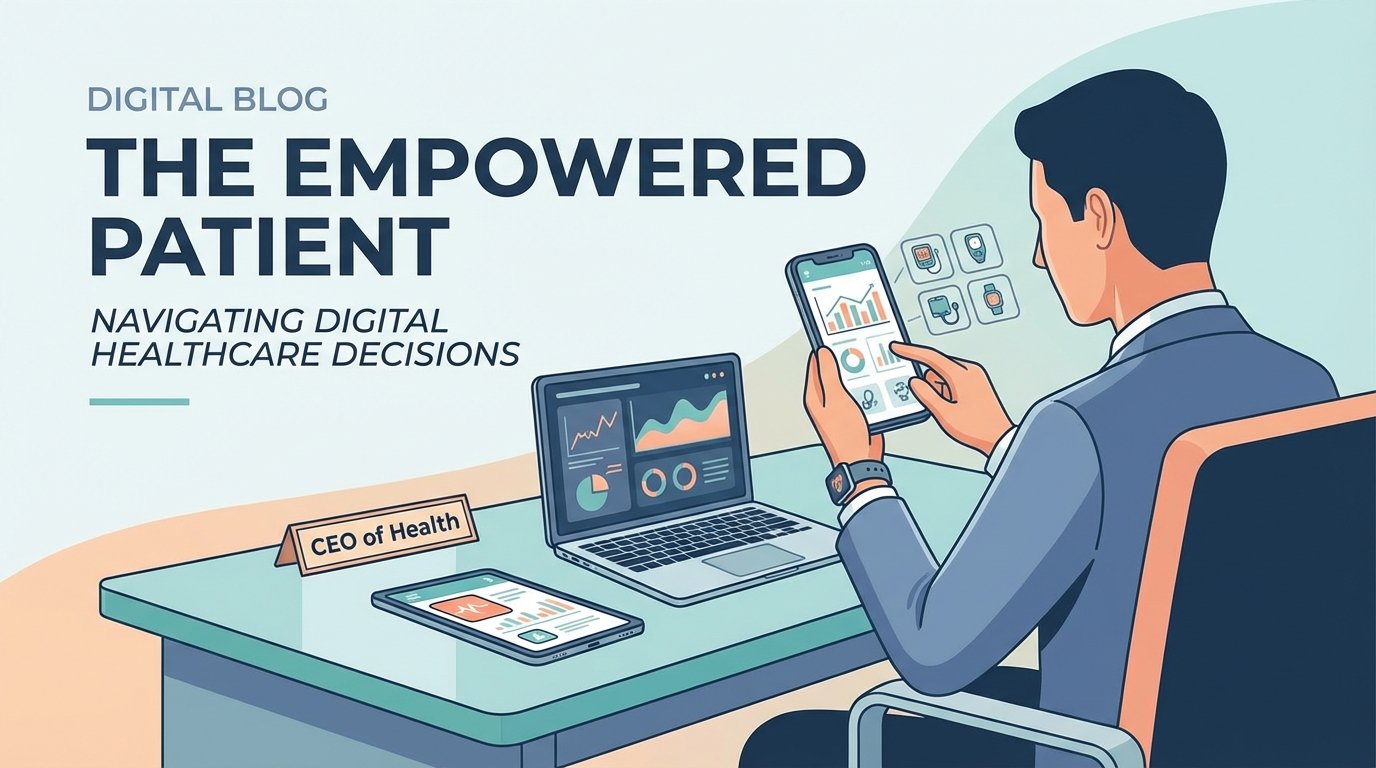
A fundamental power shift has occurred. Patients have transitioned from passive recipients to the „CEOs of their health,“ empowered by digital tools to identify solutions long before a physician makes a recommendation. This forces a shift away from promotional DTC toward empathy-led engagement that prioritizes health literacy.
The disconnect remains stark: while 80% of pharma executives believe their engagement is effective, only one-third of healthcare professionals (HCPs) agree. With 60% of HCPs now preferring digital-first or hybrid engagement, the old model of „rep-driven“ influence is being replaced by a model where the manufacturer must support a collaborative, three-way dialogue between the patient, the data, and the provider.
4. AI is the New UI (and the New Sheriff)
In 2025, Artificial Intelligence serves two masters. The FDA has adopted AI as a „Sheriff“ for proactive surveillance, using machine learning to review social media influencers and issuing thousands of warning letters for misleading claims. Conversely, forward-leaning pharma companies are using AI as an „Intelligence Engine“ to achieve hyper-personalization at scale.
Generative AI is projected to unlock up to $30 billion in value for commercial applications through:
- Content Optimization: Scaling modular, pre-approved content blocks to bypass MLR (Medical-Legal-Regulatory) bottlenecks.
- Predictive Analytics: Using machine learning to identify undiagnosed patients through pattern recognition in electronic health records (EHR).
- The Rise of DOLs: Moving beyond traditional Key Opinion Leaders (KOLs) to engage Digital Opinion Leaders (DOLs)—influential voices on LinkedIn and X (formerly Twitter) who shape peer behavior in real-time.
5. From „Messy“ Omnichannel to „Optichannel“ Efficiency
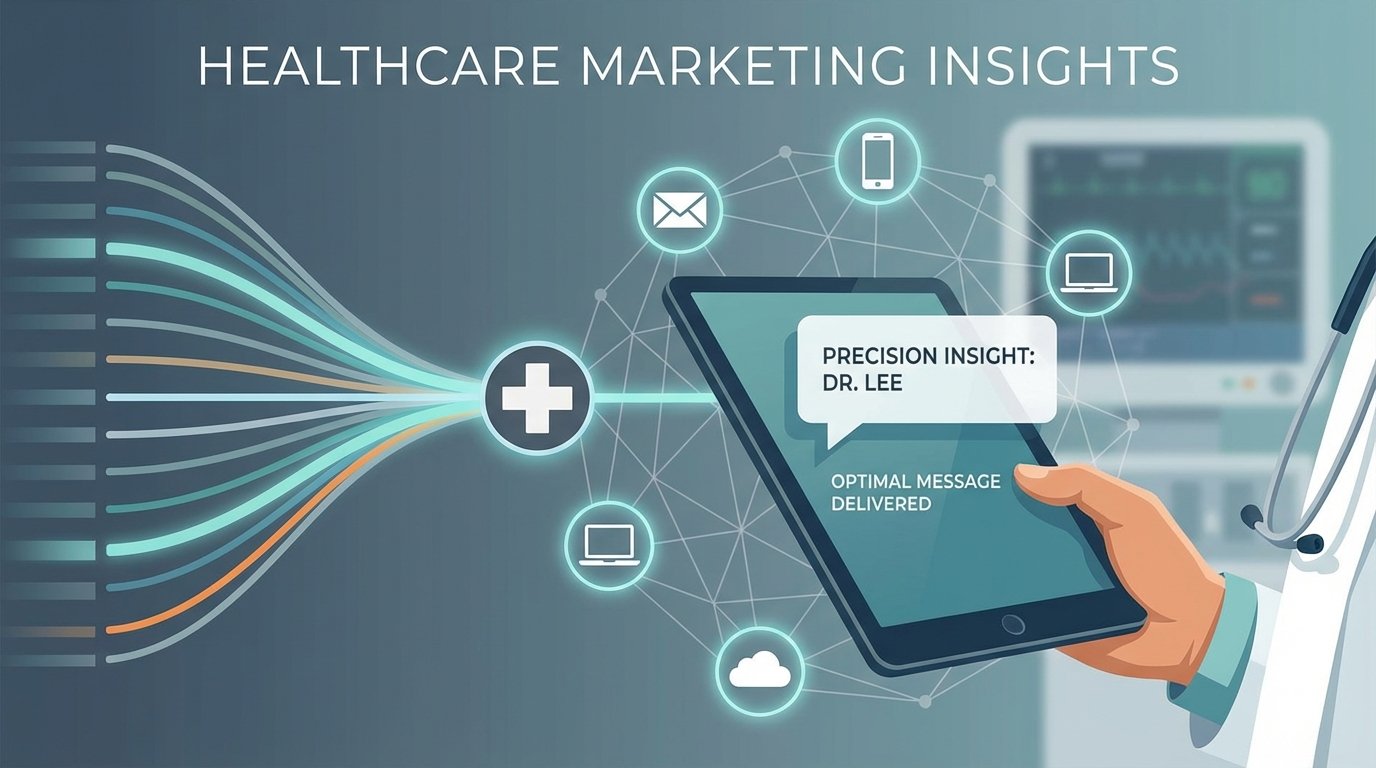
While „Omnichannel“ was the buzzword of the last decade, its execution has been fragmented and „messy.“ Current data from Xpeer reveals a massive execution gap: 73% of HCPs prefer omnichannel engagement, yet only 12% feel effectively reached.
The industry is now pivoting to Optichannel—a surgical strategy that uses data to select the optimal channel for a specific message at a precise clinical moment. Instead of being everywhere at once, Optichannel is about being in the right place with the right insight, such as delivering clinical data to an oncologist exactly when they are reviewing a new treatment protocol.
„Many omnichannel strategies devolve into simply being present on multiple channels… In practice, its execution is often ‘messy’ and falls short of its promise.“
6. The „Patent Thicket“ Paradox
Manufacturers have historically used „Patent Thickets“—layering hundreds of secondary patents to delay competition. AbbVie’s Humira, shielded by 247 patent applications, remains the definitive case study. These thickets usually focus on:
- New Formulations: (e.g., extended-release).
- Methods of Use: (protecting new indications).
- Manufacturing Processes: (novel production techniques).
The Strategic Takeaway: This aggressive legal posturing has triggered a „breakage point“ for payers. Rather than delaying the inevitable, these tactics are actually accelerating the global move toward value-based pricing and ethical marketing standards, such as India’s UCPMP 2024 update, which aligns international norms against incentives and toward evidence-based promotion.
Conclusion: The Brand Moat of the Future
In the 2030 landscape, the „best molecule“ no longer wins by default. The winner is the organization that masters the flow of information and builds the deepest trust. The „brand moat“ of the future is not constructed of patents alone, but of the integrity of data and the seamlessness of the customer experience.
As you refine your 2025 strategy, ask yourself: Is your current playbook built for the speed and transparency of 2030, or the perceived safety of 1997?