

1. Introduction: The Decentralization of Primary Care
The traditional clinical model is facing a structural displacement. For decades, the patient journey was a bottleneck: long wait times for appointments and the mounting financial burden of prescription drug spending—which reached USD 603 billion in the U.S. in 2021—have pushed consumers toward a model of „health ownership.“ We are witnessing „The Great Unbundling of the Clinic,“ a shift where the global Over-the-Counter (OTC) market is no longer a secondary aisle for cough drops, but a USD 308.8 billion powerhouse by 2034.
Driven by a confluence of accessible health information and shifting retail habits, the medicine cabinet is becoming the front line of healthcare.
Strategic Market Pulse:
– Global Valuation: Projected to reach USD 308.8 billion by 2034.
– Compound Annual Growth Rate (CAGR): 5.7% globally (2025–2034).
– Regional Outperformance: The Asia-Pacific region is the fastest grower at a 6.3% CAGR, with India exhibiting a self-medication prevalence of over 50%.
– Sector Resilience: 93% of U.S. adults now utilize OTC meds as their first response to minor ailments.
2. The Prescription-Free Revolution: The Rx-to-OTC Switch
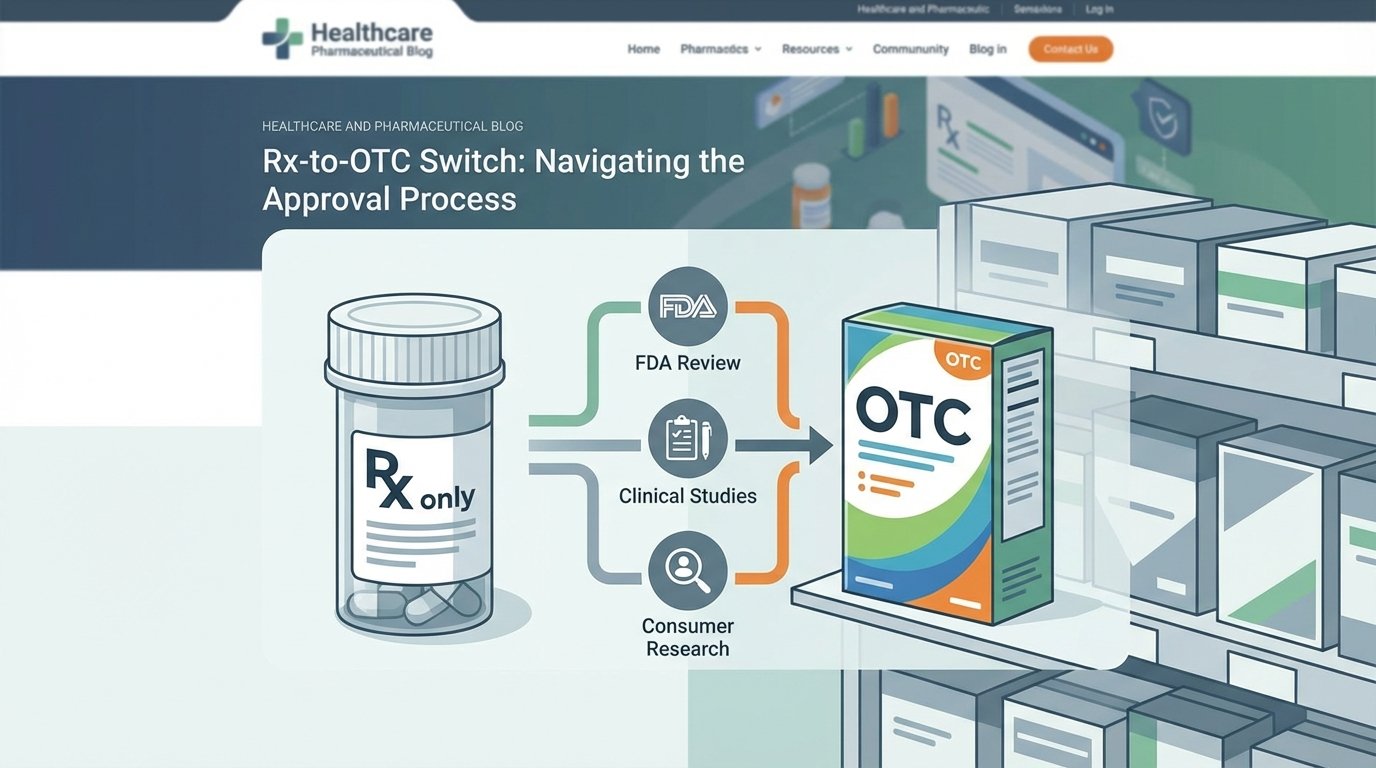
The most potent „industry engine“ currently is the Rx-to-OTC Switch. Between January 2002 and August 2022, the FDA approved 45 such switches, legitimizing self-medication for conditions that once required a professional gatekeeper.
The 2023 approval of _Opill_—the first daily birth control pill available without a prescription—served as a landmark for category disruption. To facilitate even more complex transitions, the FDA’s „Additional Conditions for Nonprescription Use“ (ACNU) framework acts as a legal bridge. By allowing digital tools and AI to replace the traditional doctor’s consultation, the ACNU framework ensures consumers can safely self-select treatments that were previously restricted.
„The product demand is further legitimized by approval for Rx to OTC switches, enabling product availability expansion in developed and developing areas.“
3. DTC Challengers and the „Clean“ Medicine Cabinet
Modern consumers are increasingly skeptical of „legacy pharma“ chemical profiles, sparking a massive shift toward recognizable, „clean-label“ transparency. This segment is dominated by Disruptive New Entrants who prioritize four-to-five ingredient formulas over complex synthetics.
Disruptive Innovators:
– Native: Marketed as a „clean“ alternative, using just four primary ingredients (coconut oil, shea butter, probiotics, and tapioca).
– Beekeeper’s Naturals: Utilizing bee-based propolis to disrupt the immune-support category.
– TheraBreath: Disrupted the mouthwash category by eliminating alcohol and sulfates in favor of „natural“ efficacy.
– Market Signal: Search interest for „natural medicine“ and „clean deodorant“ is growing at a steady 7% p.a.
4. Sustainability: From Plastic Vials to Circular Systems
Environmental responsibility has evolved from a „nice-to-have“ marketing tag into a core business strategy. The industry’s plastic problem is being attacked through Market Consolidation of sustainable efforts, such as the „Blister Pack Collective“ (including Bayer and Sanofi), which seeks to replace single-use plastic with dry-molded fiber.
– Haleon’s Structural Shift: A 20% plastic reduction in _Advil_ bottles is currently saving 500,000 lbs of plastic waste annually.
– The Refillable Model: _Cabinet Health_ is replacing traditional vials with refillable glass bottles and compostable pouches.
„Eliminating single-use plastic from the medicine industry entirely, one medicine cabinet at a time.“ — Russell Gong, Co-founder of Cabinet Health.
5. High-Resilience Segments: The „Guttok“ Effect
Digestive health has emerged as a high-resilience segment, thriving even during economic downturns. Clinical shifts in treating IBS and GERD have collided with the massive influence of social media. On TikTok, #guttok has surpassed 900 million views, forcing legacy giants like _TUMS Naturals_ to reformulate to compete with „probiotic-forward“ newcomers like _Wonderbelly_. These brands pair medical efficacy with Gen-Z-friendly branding to capture the „digestive boom.“
6. Perennial Allergic Rhinitis and the „Active Aging“ Surge
Climate change is no longer a distant threat; it is an immediate market driver. Warming global temperatures and longer freeze-free seasons have moved the allergy season as early as mid-February, shifting antihistamines from „seasonal“ items to „perennial“ necessities.
This demand is compounded by the „Active Aging“ trend. As physically active Americans increased from 73% in 2019 to 80% in 2024, the industry is seeing a spike in sports injuries.
– Pickleball Impact: Related injuries grew by 91% between 2020 and 2022.
– 65+ Demographic: Projected to see a 123% increase in sports-related injuries by 2040, ensuring that analgesics remain a high-growth category for the next decade.
7. The „Digital Pharmacist“: AI as the New Gatekeeper
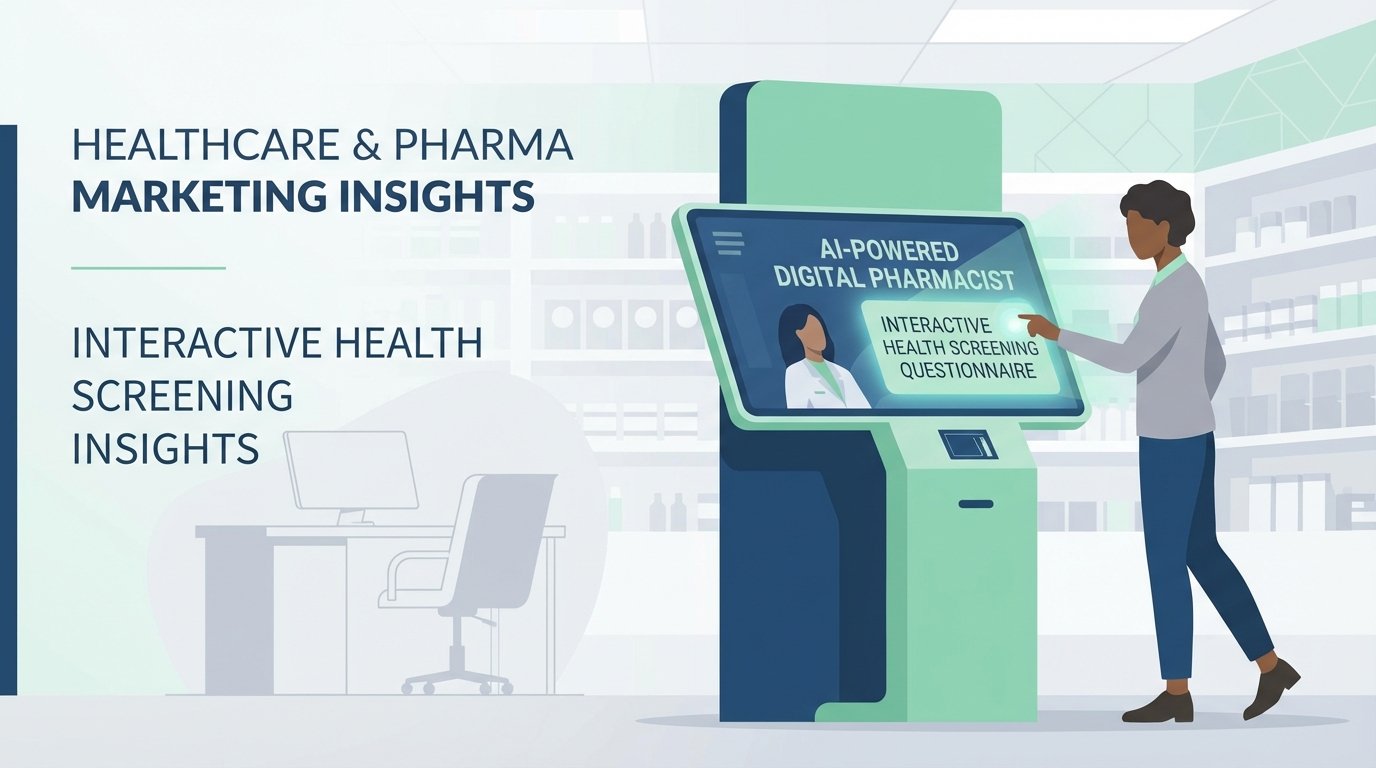
Technology is rapidly automating the role of the traditional pharmacist for minor ailments. The Petros Pharmaceuticals and Idea Evolver partnership perfectly illustrates this, as they utilize AI and human factors engineering to transition Stendra (an erectile dysfunction medication) to OTC status.
Technological Tailwinds:
– Self-Selection AI: Digital questionnaires replace the doctor’s visit, particularly for „sensitive“ medications where privacy is a consumer priority.
– Interactive Labeling: QR codes and e-labels provide real-time instructions that far exceed the limitations of paper inserts.
– Regulatory Synergy: Digital integration is the primary mechanism through which the ACNU framework will expand the „OTC universe“ to include more sophisticated pharmaceuticals.
8. Conclusion: The Age of the Empowered Patient
By 2034, the burden of healthcare will have moved decisively from the hospital to the household. With the market reaching USD 308.8 billion and the Asia-Pacific region leading the global charge, we are entering a period of unprecedented patient autonomy.
„The self-medication prevalence is rising rapidly at a pace of 11.2 to 93.7%… India exhibited over 50% prevalence of self-medication.“
As we embrace this democratic era of healthcare, we must ask: In a world where 93% of adults now turn to the OTC aisle first, have we finally achieved true healthcare accessibility—or are we offloading more clinical risk onto the individual than the average household is prepared to manage?