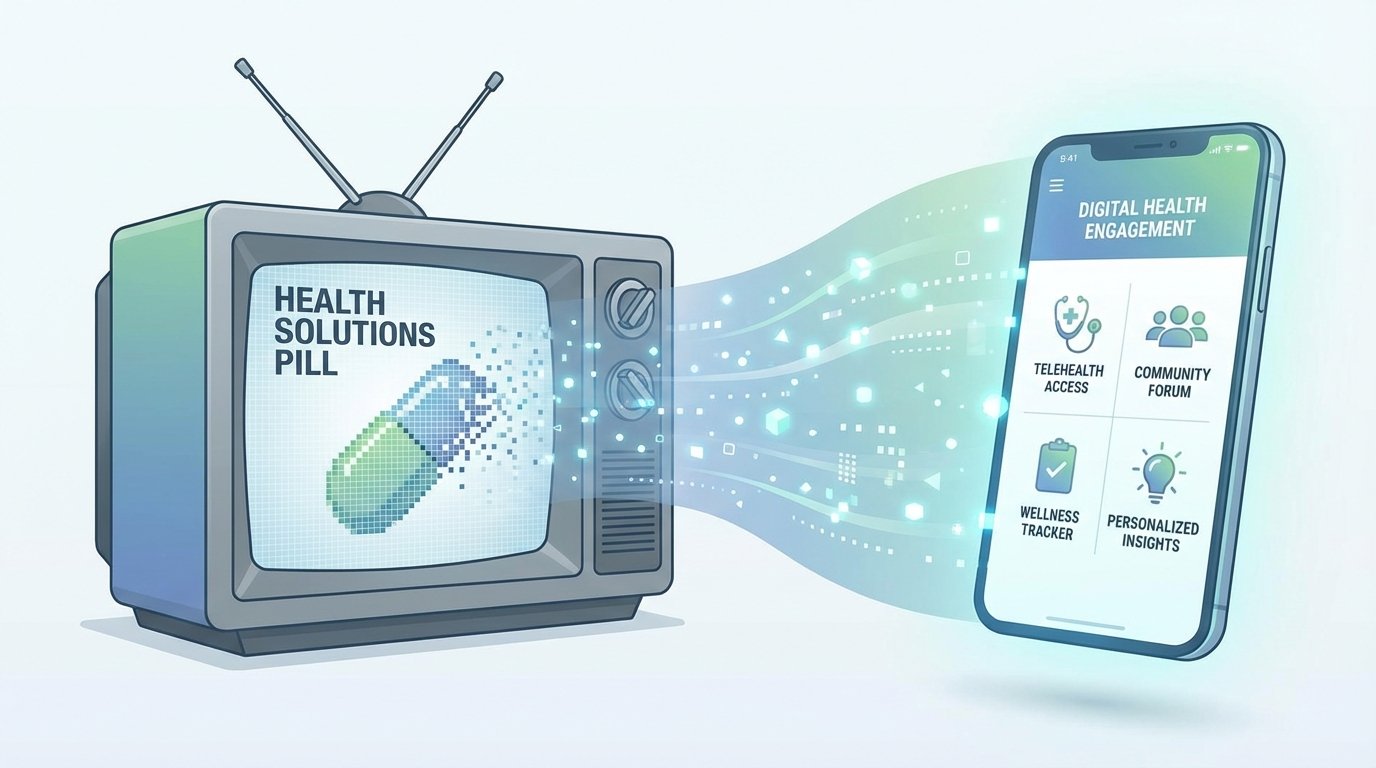


We have reached a definitive tipping point. The „vibe-based“ marketing of the early 2020s—characterized by spray-and-pray awareness and nebulous „brand lift“—has collapsed under the weight of soaring media costs and radical consumer skepticism. In 2026, reach is a commodity; conversion is the only currency. Supplement brands that treat marketing as an experimental expense are being outpaced by those building a permanent „commerce engine.“
The current landscape is defined by a data-literate consumer who demands clinical proof over clever aesthetics. Marketing leaders no longer have the luxury of separate „brand“ and „performance“ silos. Today’s success is measured by the brand’s ability to transition from a series of one-off campaigns into a performance-driven infrastructure that converts attention into trackable, repeatable revenue.
This article serves as a strategic roadmap for the „2026 Shift.“ We will examine how top-tier wellness brands are leveraging high-precision AI, navigating a hyper-fragmented regulatory environment, and moving away from volatile social algorithms toward owned, private communities. To thrive in 2026, you must build a brand that is verified, validated, and technologically agile.
1. The Death of the Vanity Metric
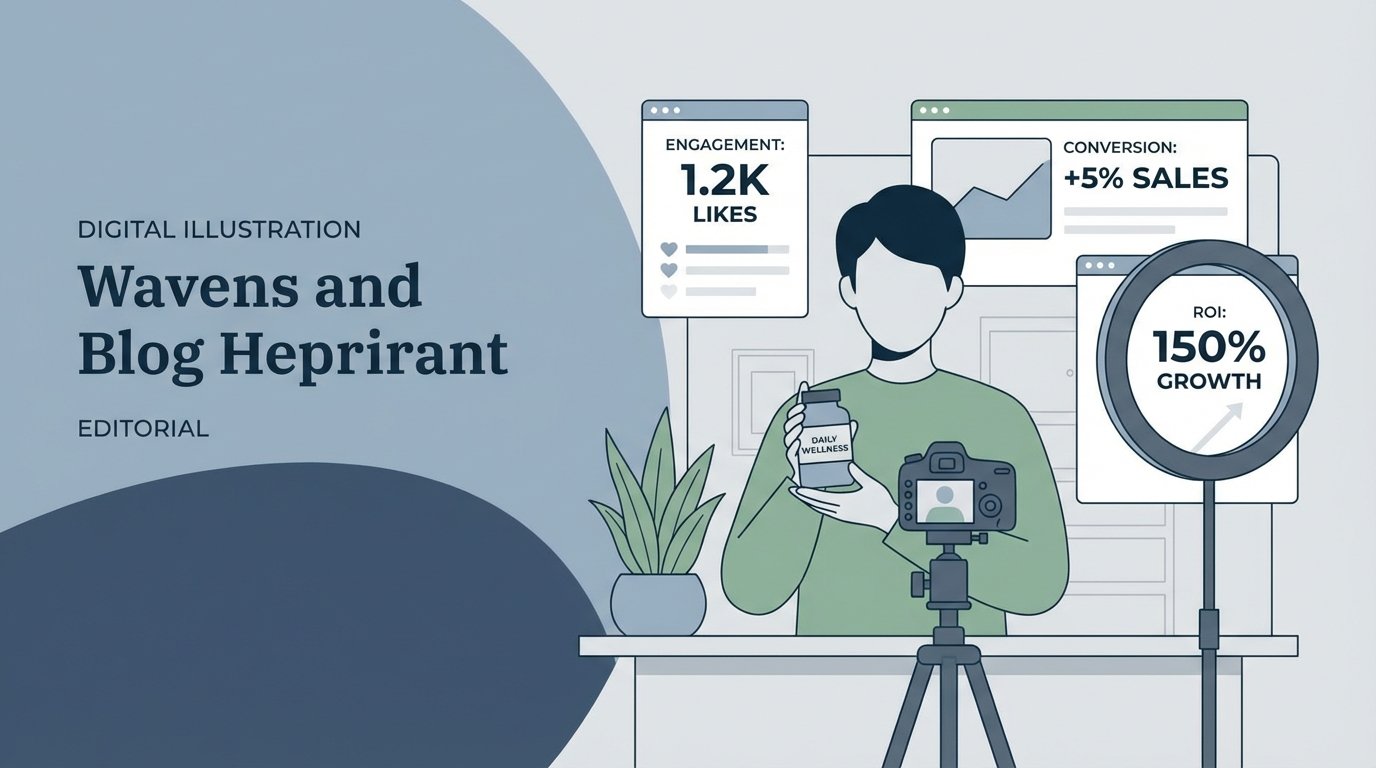
In 2026, the supplement industry has decisively traded „likes“ and „impressions“ for Customer Acquisition Cost (CAC), Average Order Value (AOV), and real ROI. The proof of this shift is empirical: during Cyber Week 2025, influencer-driven spend jumped 51 percent while commission costs remained flat. This wasn’t a lucky spike; it was the result of brands finally building the infrastructure to track every click and add-to-cart in real time.
„Creator Commerce“ is the new standard, treating influencer content as a high-performing asset for every stage of the funnel. Successful brands now integrate creator assets across product pages, email flows, and checkout experiences to drive measurable sales. As attribution models become more sophisticated, the line between a „content partner“ and a „commerce partner“ has officially disappeared.
„The most significant trend will be the holistic integration of the creator into the core marketing engine, which will see the traditional lines between ‚brand‘ and ‚performance‘ budgets finally blur.“ – Sanchit Sareen, RVP of Influencers & Creators at impact.com
2. Why Small is Big—The Micro-Creator Dominance
The era of the „celebrity face“ is over, replaced by the dominance of micro-creators (10k–100k followers) who foster „intimacy-to-conversion“ ratios that macro-influencers cannot match. In 2026, influence is personal, not performative. Micro-creators are consistently 60-70 percent more cost-efficient, allowing brands to diversify risk by building a portfolio of niche experts rather than betting the entire budget on a single „hero“ name.
To win this shift, brands are adopting models like the Sephora Squad, prioritizing creators who are already genuine brand advocates rather than just hiring for reach. By selecting voices with existing affinity, brands boost credibility and drive higher conversion because the enthusiasm is organic. In the niche wellness community, a recommendation from a trusted peer carries more weight than any scripted ad.
„Shift spend from one or two hero creators to multiple trusted micro and mid-tier creators who deliver better ROI. They’re not only more affordable, they’re passionate and create higher quality content—resulting in higher engagement and longer viewership.“ – Amanda Mount, Director of Affiliate and Influencer at Monks
3. The GLP-1 „Protein Pivot“
The surge of GLP-1 weight-loss medications has transformed protein from a „gym-bro“ staple into a medical and nutritional necessity. Because these medications suppress appetite, users face a high risk of muscle loss and nutritional gaps. In 2026, savvy brands are repositioning high-protein formulations not just for muscle maintenance, but specifically for satiety and blood sugar stabilization.
We are seeing a massive rise in „GLP1-friendly“ labels on functional beverages and powders. These products are being marketed as „comfort“ supplements—easily digestible, fiber-fortified solutions that fill the gaps for consumers eating smaller portions. This pivot demonstrates how protein has evolved into a vital part of the „care infrastructure“ for modern metabolic health.
4. Compliance as a Competitive Differentiator
Compliance in 2026 is no longer a legal hurdle; it is a strategic asset. Brands must navigate a growing patchwork of state-level age restrictions—with New York and Michigan leading the way in requiring verification for weight-loss and muscle-building supplements. Simultaneously, the „MAHA“ (Make America Healthy Again) movement has forced a „clean label“ revolution, making the removal of artificial dyes and synthetic additives a market requirement.
Strategic advantage now goes to those who treat Retailers as De Facto Regulators. Major players like Walmart and Sephora have established proprietary standards that determine shelf priority based on safety documentation and „clean“ certifications. Furthermore, brands are adopting the FDA’s formalized asterisk policy for disclaimers to significantly reduce litigation risk. In this climate, transparency is the primary driver of consumer trust.
5. AI as a Precision Engine, Not a Content Shortcut
AI has moved beyond basic automation to become the engine for „predictive payouts“ and real-time campaign optimization. In 2026, the most sophisticated brands use AI for „precision matching“—using algorithms to analyze millions of data points on creator expertise and audience sentiment. This ensures that every marketing dollar is funneled toward the highest-converting segments before a campaign even concludes.
One of the most transformative shifts is the rise of Dynamic Brand Segments on platforms like YouTube. As noted by expert Lindsey Gamble, creators can now swap out brand integrations in existing videos, allowing for fresher placements and smarter targeting of evergreen content. This technical capability, combined with AI-managed brand personas that convey core company values 24/7, has turned AI into an accountability engine rather than a mere content shortcut.
6. The „Community Mindset“ and Owning the Platform
Algorithm volatility has pushed audiences away from public feeds and into „owned spaces“ like Discord, Substack, and WhatsApp. These private circles offer a „community mindset“ where engagement is deeper and audiences aren’t „burnt out“ by traditional advertising. Brands are moving into these high-trust environments to foster unscripted conversations about daily wellness routines.
Simultaneously, the „B2B Creator Boom“ on LinkedIn has turned professional expertise into a vital marketing lane. Brands are following the model of creators like Justin Welsh, who builds credibility through peer-to-peer expertise and long-form newsletters rather than traditional ads. In 2026, owning the relationship with the audience is the only way to build resilience against platform changes.
„Communities across messaging platforms like WhatsApp, Telegram, Discord and Facebook Groups will become a larger line item as brands begin to search out unique opportunities from non ‚burnt out‘ audiences.“ – Yehuda Jason Neuman, Senior VP of Influencer Marketing at PartnerCentric
7. Personalized Nutrition as the New Care Infrastructure
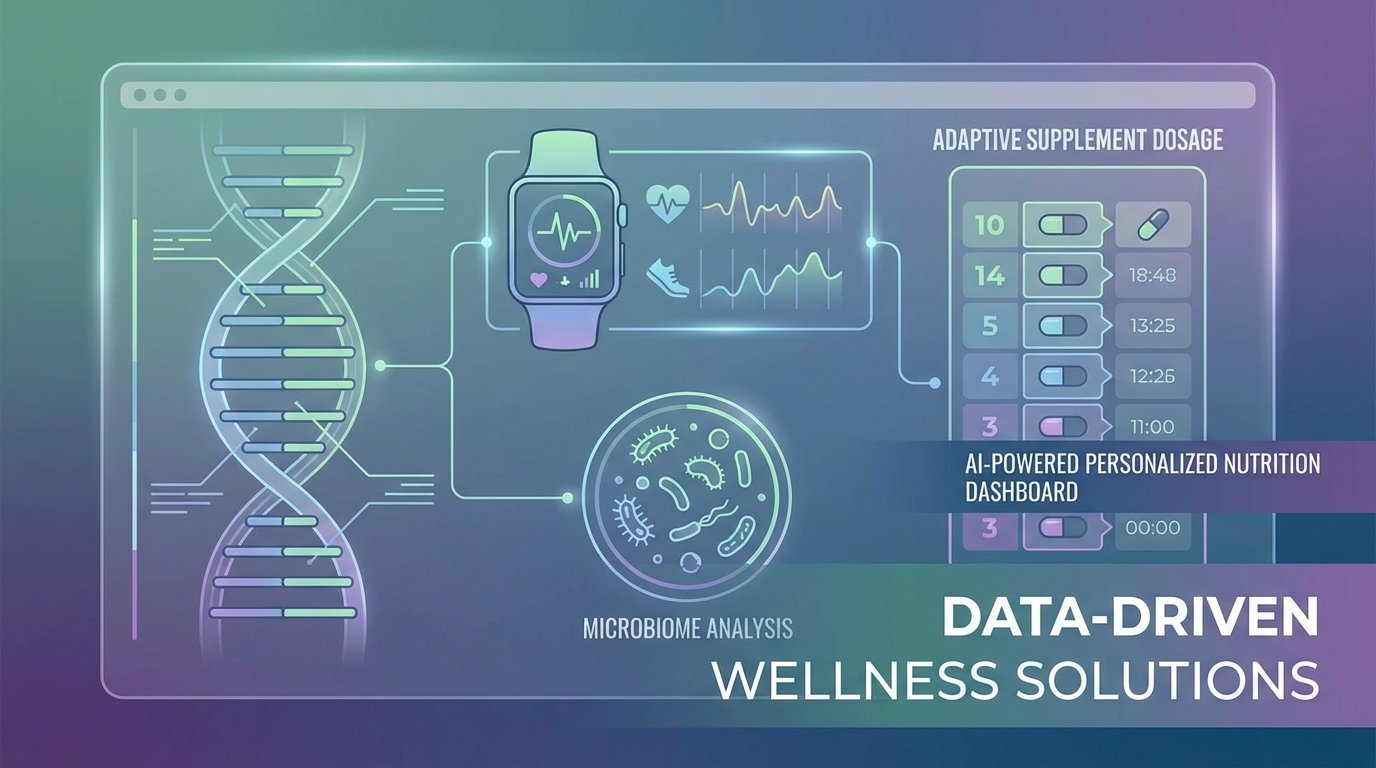
Generic multivitamins have been rendered obsolete by data-driven, adaptive nutrition. In 2026, consumers demand solutions based on their microbiome science, DNA, and real-time biomarkers from wearables. The industry has seen a massive shift toward tablets, which held a 31.2% market share as of 2024 due to their precision and ease of dosing for specialized, clinical formulations.
The subscription model has evolved from „auto-replenish“ to Subscription-as-Coaching. Brands now use continuous data feedback to adjust dosages and offer personalized lifestyle advice in real time. Consumers are no longer tolerant of one-size-fits-all products; they expect their supplement regimen to be a dynamic, evolving part of their personal health data ecosystem.
Conclusion: The Path Forward
The supplement landscape of 2026 is a sophisticated blend of high-tech precision and high-touch human connection. On one side, AI-driven predictive payouts and real-time biomarker tracking provide the data needed for accountability. On the other, micro-communities and authentic, long-term creator partnerships provide the trust that algorithms cannot manufacture.
To build a resilient brand in this era, you must prioritize transparency, compliance, and community ownership. The objective is no longer to be the loudest brand in the room, but the most trusted brand in the inner circle.
In an era of relentless AI content and rising regulation, is your brand building a campaign, or is it building a community?