

1. Introduction: The Engagement Paradox
The pharmaceutical industry is currently trapped in a stark engagement paradox: while 73% of healthcare professionals (HCPs) prefer omnichannel interaction, a dismal 12% feel effectively reached by life sciences companies. This isn’t just a communication gap; it is a structural failure. We are moving past the era of incremental digital tweaks into a period of radical regulatory and digital transformation. For the Senior Strategist, 2025 is the year where the „clean and insightful“ approach replaces the „loud and frequent.“ Success now requires a mastery of new EU legislative frameworks and a sophisticated understanding of a digital-native HCP workforce that has largely abandoned traditional search for social discovery.
2. Takeaway 1: The „Transferable Exclusivity Voucher“ – A New Strategic Currency
To combat antimicrobial resistance (AMR), the EU Pharma Package has introduced a high-stakes commercial asset: the transferable exclusivity voucher. This allows a company to extend the market protection for a product of their choice by one year, even if the voucher was earned for a different antibiotic. This is not just a regulatory incentive; it is a tradable currency. A developer of a priority antibiotic could potentially sell this voucher to a blockbuster holder for hundreds of millions of Euros.
However, there is a critical ceiling: the voucher cannot be applied to products with annual gross sales exceeding EUR 490 million over the preceding four years. This forces a cross-functional overhaul of portfolio planning. Simultaneously, the expansion of the Bolar exemption—now covering activities related to HTA submissions, pricing, reimbursement approvals, and public tenders—means innovators must defend their market share against generic entry preparations much earlier in the lifecycle.
„One of the main aims of the Pharma Package is to combat antimicrobial resistance. To support this goal, a transferable exclusivity voucher is introduced as an incentive for the development of new priority antibiotics. Such an exclusivity voucher can be used to extend the market protection period for a product of the pharmaceutical company’s choice by one year. However… the voucher cannot be used for products with annual gross sales of more than EUR 490 million in the preceding four years.“
3. Takeaway 2: Ad-Blockers by Law – Demand-Side Management
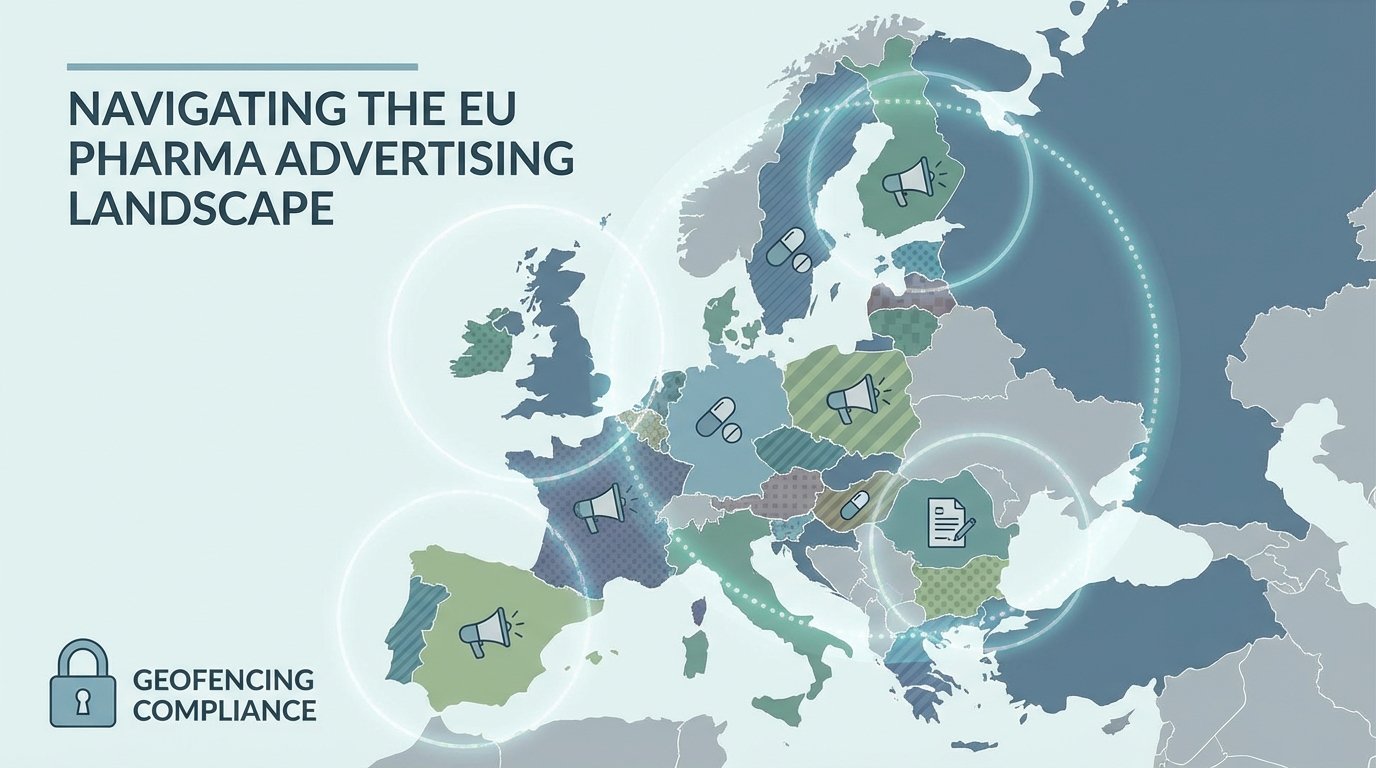
In the most aggressive move yet to link marketing to supply chain resilience, Member States now have the authority to suspend product advertising during periods of medicine shortages or even the risk of a shortage. This transforms supply stability into a prerequisite for promotional freedom, effectively using advertising as a „demand-side management“ tool.
The strategic risk here is a geofencing nightmare. Because individual EU states make these determinations independently, marketing teams face a patchwork of contradictory determinations. You could find your digital campaign legal in Germany but prohibited in Spain for the exact same SKU. This necessitates a total integration of supply-chain-to-marketing data loops. If you cannot guarantee supply, you lose your license to talk to the market.
4. Takeaway 3: Closing the 73% Gap – Moving from Volume to Precision
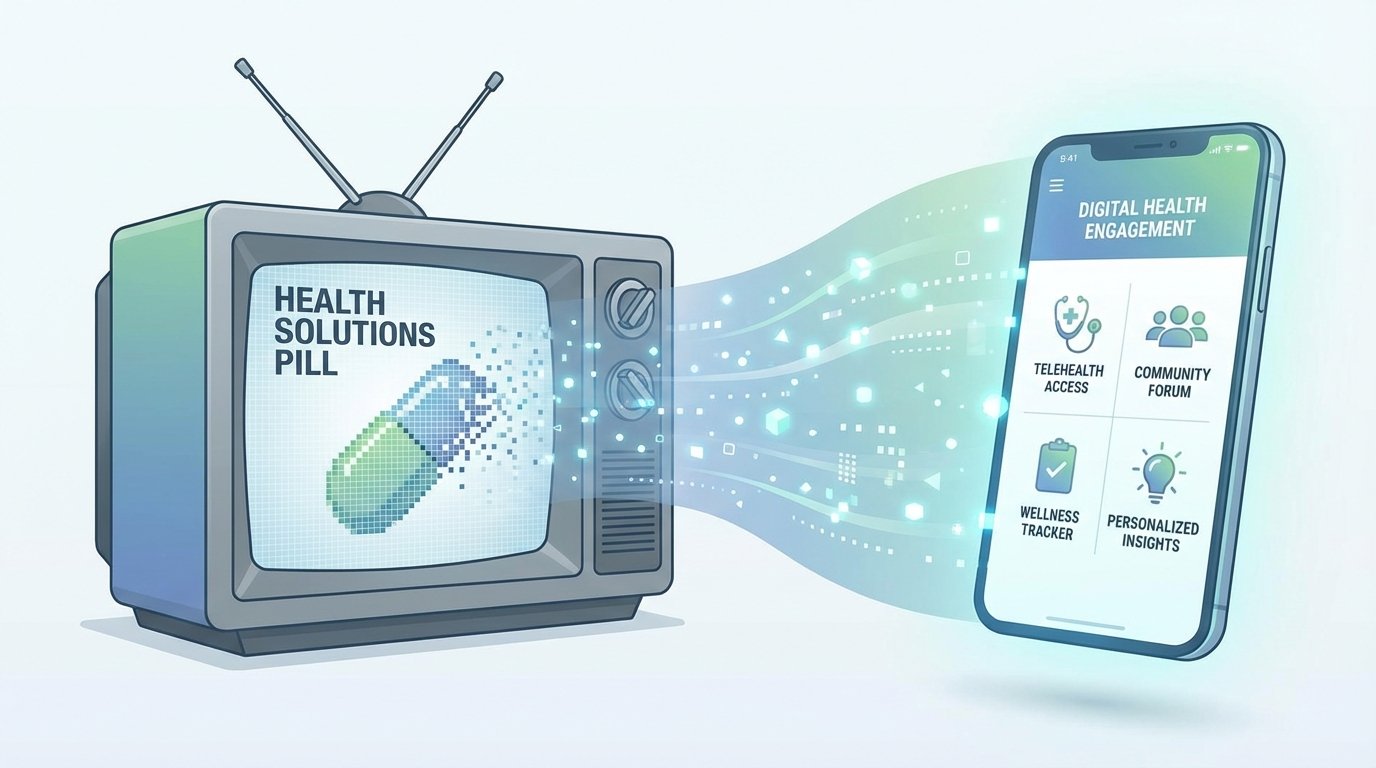
The failure to reach HCPs (the 12% reach statistic) is driven by „omnichannel confusion and overload.“ While 70% of HCPs are digital natives with high tech dependency, they are increasingly suffering from „unsubscribe“ fatigue. Moving from „multichannel“ (isolated silos) to „omnichannel“ (connected experiences) requires orchestrated engagement driven by AI.
The 2025 winner won’t be the one with the most webinars, but the one offering „TED-style hybrid events“ and AI-powered personalization that treats an HCP’s journey as a single, seamless conversation. We must move toward precision engagement where every interaction is informed by the previous one and aligned with the HCP’s specific profile.
„Digital advances offer an opportunity to provide HCPs with the content of their choice, but too often the experience has been off-key because of omnichannel confusion and overload. Connecting with precision and efficiency is now critical, as almost 70% of HCPs are digital natives with high levels of tech dependency and expectation, while 57% of HCPs prefer omnichannel engagement with pharma.“
5. Takeaway 4: Gen Z HCPs are Swiping, Not Searching
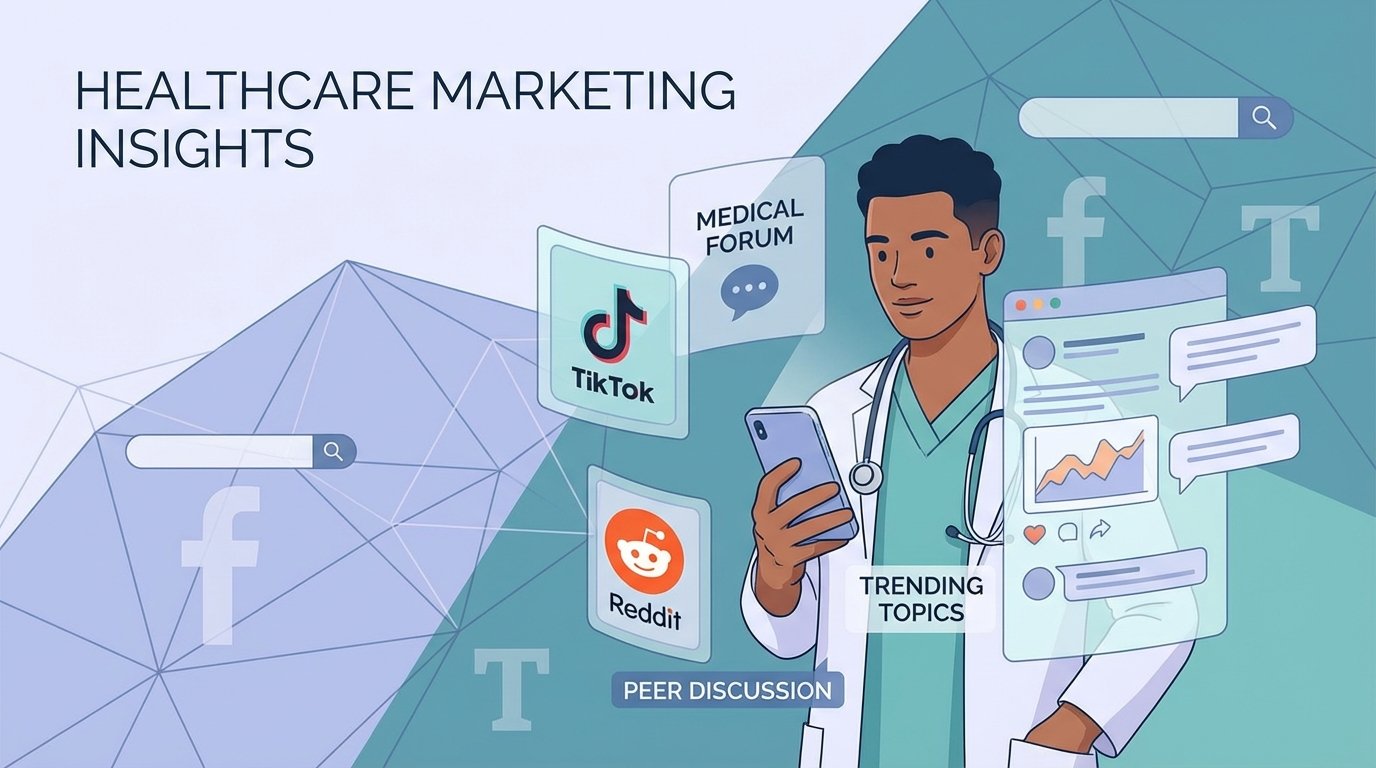
The search-first era is ending. Approximately 28% of Gen Z and 25% of Millennial HCPs now initiate healthcare research on social media rather than traditional search engines. Pharma must „observe, don’t assume“ by utilizing real-time social listening to understand clinical priorities.
Marketers need to pivot away from broad platforms and toward „professional micro-communities.“ Consider the scale: Reddit’s r/medicine now hosts 494,000 members, while r/nursing reaches 931,000. These are the spaces where high-value, peer-led dialogues happen. While the rise of influencers offers reach, the risk of misinformation is high, making „radical transparency“ and evidence-based content the only way to build lasting trust in these digital rooms.
6. Takeaway 5: Redefining „Advertising“ – The Death of the Safe Harbor
The Proposed Directive significantly expands the definition of advertising to include the promotion of „unspecified medicinal products.“ This effectively eliminates the „regulatory safe harbor“ for disease awareness campaigns and corporate communications. If a campaign implicitly encourages a pharmaceutical intervention, it will now be regulated with the same rigor as a drug ad.
Furthermore, there is a new, explicit ban on „negatively highlighting“ other products. This is a critical blow to aggressive comparative marketing, particularly in the biosimilar market, where misleading claims about interchangeability are now strictly forbidden. All claims must be SmPC-based and objectively supported by product data.
„The Proposed Directive maintains the requirement for objective, unbiased product information while introducing specific prohibitions… [including] an explicit ban on ‚negatively highlighting another medicinal product‘ and the prohibition of unsubstantiated superiority claims… [It] explicitly extends regulatory jurisdiction to communications about unspecified medicinal products.“
7. Conclusion: The Future of the Ethical Marketer
By 2025, the most successful pharmaceutical companies will be those that integrate regulatory agility with supply chain resilience. The new 11-year maximum exclusivity period—a complex build of eight years of data protection, one year of market protection, and potential extensions for unmet needs—requires a long-term, cross-functional view of the product lifecycle.
The strategic takeaway for the year ahead is clear: Supply Chain Resilience = Promotional License. Your marketing strategy is only as strong as your supply chain’s ability to prevent a shortage-triggered ad suspension. As you recalibrate for 2025, ask yourself: Is your team prepared to navigate a fragmented European regulatory landscape while engaging a Gen Z audience that has stopped using Google entirely?